Heat Pump Myths and Facts
-
Fact: Despite their name, heat pumps can efficiently provide both heating and cooling.
-
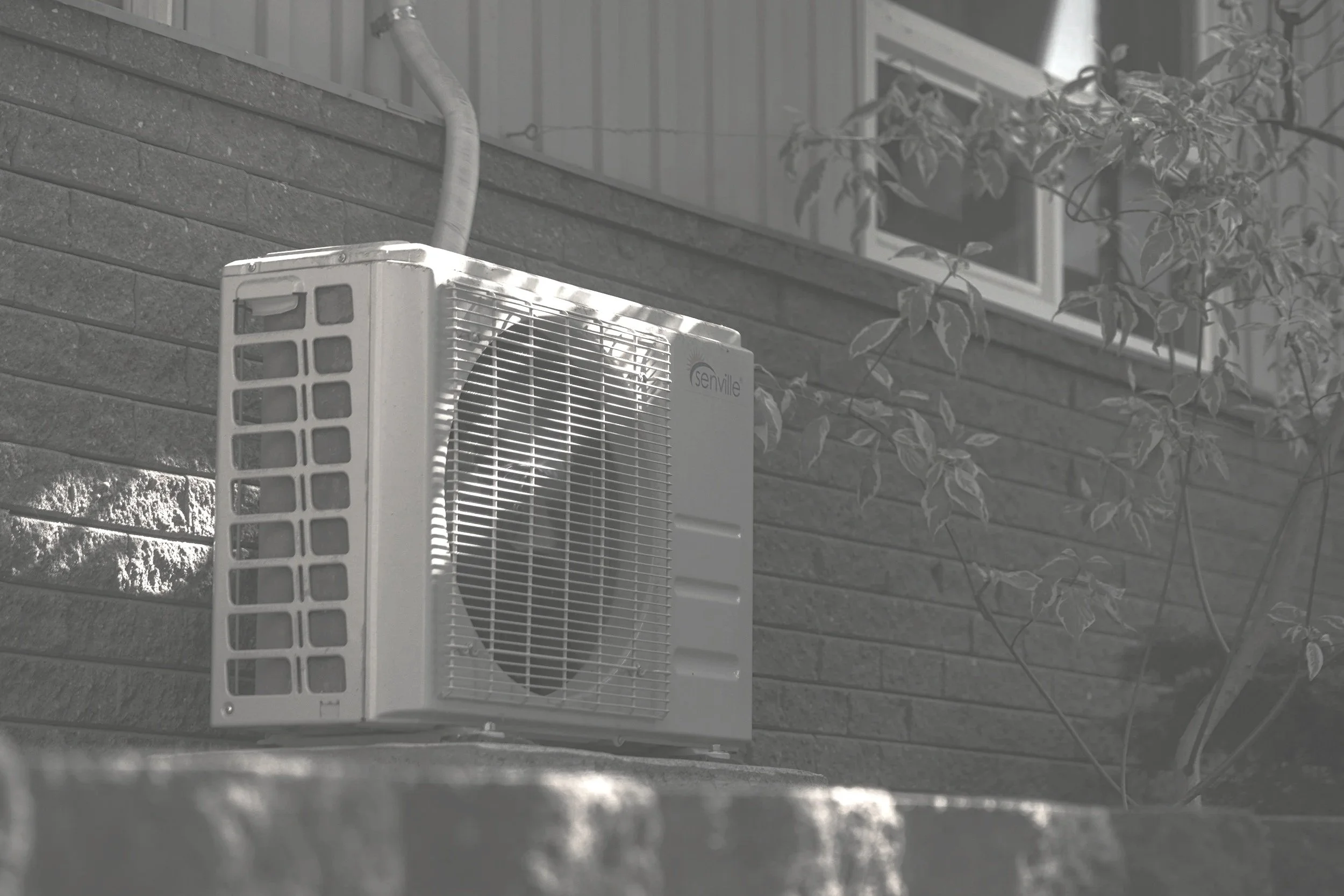
Fact: Heat pumps are widely used in Toronto and across Canada. They use the same technology as refrigerators and air conditioners to transfer heat.
Technology has improved over time, especially for performance in cold weather. While some heat pump systems use backup heat during extreme cold events, they can typically still meet the majority of annual heating needs.
-
Fact: Heat pumps make about as much noise as traditional air conditioners and heating systems and are controlled the same way – with a thermostat.
Most heat pumps are easy to use. Some are compatible with popular smart thermostats, while others might prefer or require a proprietary controller to access full system efficiency and features.
Check compatibility when selecting your heat pump.
-
Fact: There is more than enough power available for customers to rapidly install electric vehicle chargers, heat pumps and electric water heaters.
Toronto Hydro has stated they are ready for electrification, and the speed of the energy transition will depend on how fast customers adopt clean energy technologies, not on how fast the electricity system can expand.
-
Fact: Heat pumps work for many building types and ages. The appropriate technology depends on the building, site conditions, available space, heating requirements, electrical capacity, and project goals.
-
Fact: Both gas furnaces and heat pump systems stop working during power outages unless backup power, storage, and emergency heating strategies are considered (regardless of technology choice).
-
Fact: Heat pumps typically have similar or slightly higher upfront costs than conventional systems, and incentives are often available to reduce upfront cost.
They typically use about one third the energy of gas systems, which can balance out the higher price of electricity rates, resulting in comparable – or even lower – operating costs over time.
With the additional benefits related to comfort, maintenance, environment, risk, and asset value, heat pumps are a strong business decision.
-
Fact: Many heat pump RTUs are similar in size, weight, and operations, though some are heavier.
Weight and your building’s structural capacity should be checked during design.
-
Fact: In Toronto, heat pumps can cut GHG emissions by up to 90% because of Ontario’s low-carbon grid. Even if grid emissions rise, it is typically temporary and you’ll still see major GHG reductions (e.g., 80% reduction instead of 90%).
If you want to manage the risk of your emissions increasing, you can install solar panels or purchase Renewable Energy Credits (RECs) to procure reliably clean electricity.
-
Fact: Many professionals have experience with heat pumps. While experience levels vary, there are many qualified teams to choose from.
With proper design, installation, controls, commissioning, and maintenance, heat pumps are as reliable as any other system.
-
Fact: Many buildings can repurpose an existing electrical panel, particularly when replacing an existing air conditioner.
If needed, designers can select a hybrid system (e.g. a system that uses a mix of heat pumps and gas) that fits within electrical capacity constraints.
Some buildings will need an upgrade if the existing panel size is too limited.
-
Fact: Most new heat pumps now use refrigerants with low global warming potential (GWP).
While some heat pumps still use high GWP refrigerants, net emissions savings are positive for these as well. Proper maintenance and installation helps minimize refrigerant impacts, and the industry is rapidly shifting to low-GWP refrigerant options.
Even as refrigerant regulations evolve, heat pumps installed today should remain serviceable for their full life.