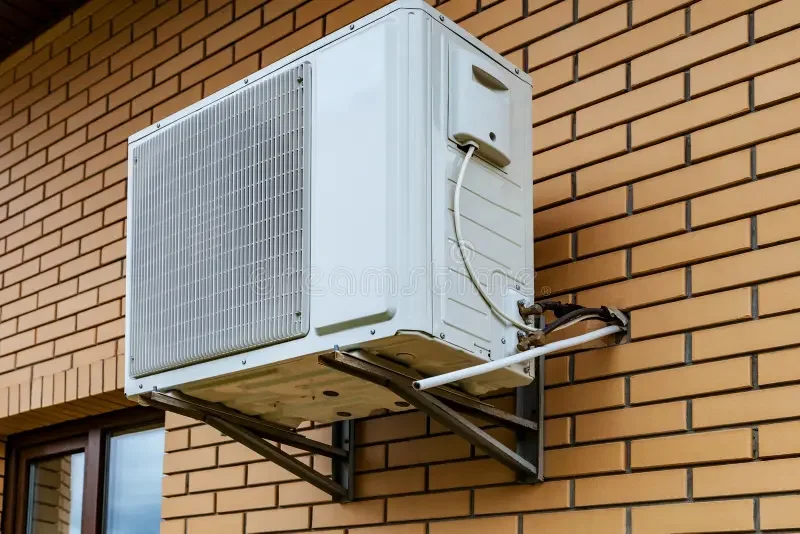
Heat pumps move heat from one place to another. They can replace or augment a gas-fired furnace, air conditioner, baseboard heaters, or other heating & cooling equipment.
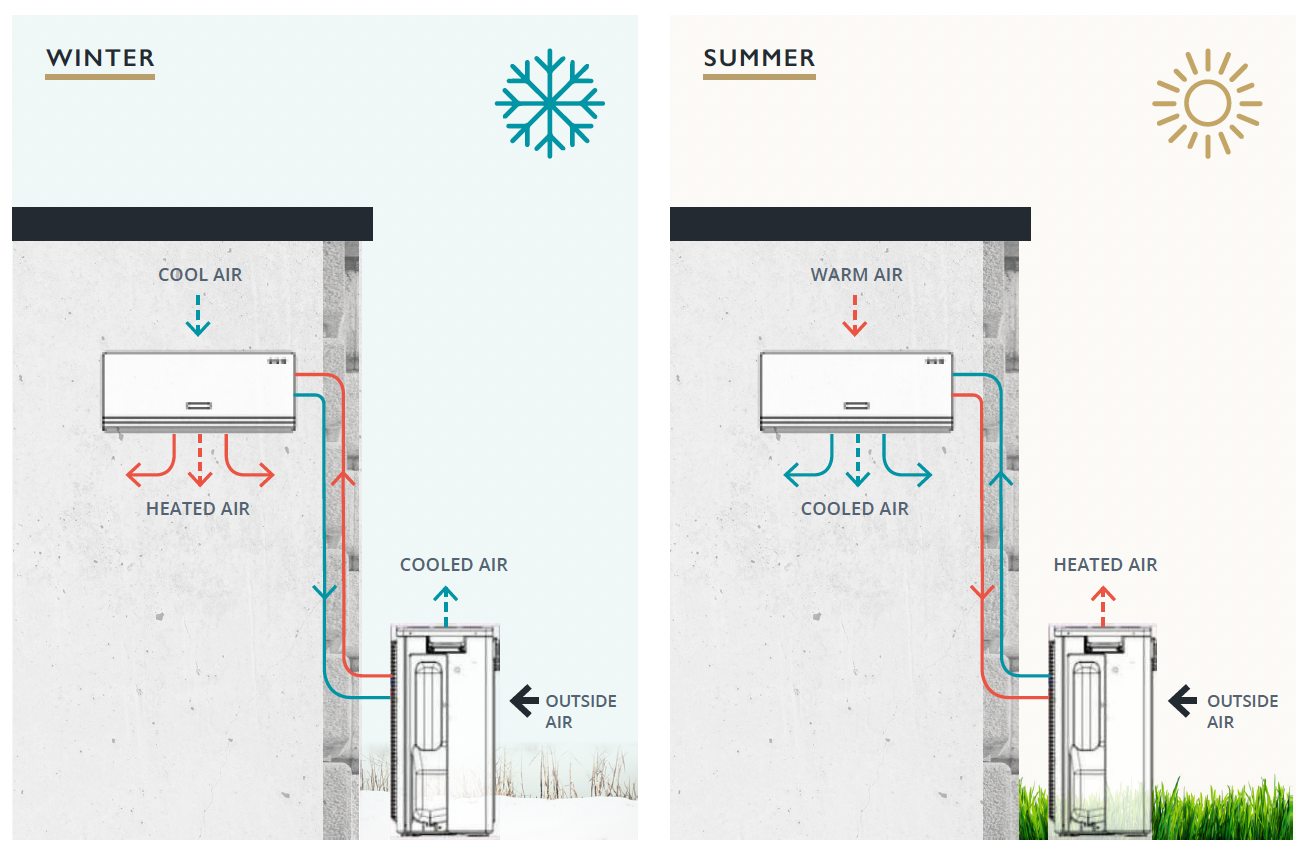
An air conditioner is a heat pump that only cools. It transfers heat from indoor air to outdoor air—even when it’s hot outside. The air source heat pumps discussed here operate the same way, and can also run in reverse, transferring heat from outdoor air—even when it is cold outside—to indoor air.
Heat pumps are gaining popularity because of their ability to efficiently use electricity to both heat and cool buildings.
What is a heat pump?
How can I use a heat pump at my building?
Heat pumps become part of the building’s heating and cooling system.
If your building’s existing system relies on a Roof Top Unit (RTU):
RTUs circulate air and typically include a heater (electric or gas furnace) and an air conditioner.
Heat pump RTUs are available to directly replace your existing RTUs. They will look similar and will provide both heating and cooling – but will use much less energy to do so than your existing unit.
If your building’s existing system is a central air system:
A central air system circulates air in the building and will likely include a heater (electric or gas furnace) and possibly an air conditioner.
A heat pump will directly replace your AC unit, if it exists, and either replace or supplement your furnace. A central air system will continue to move air through the building.